
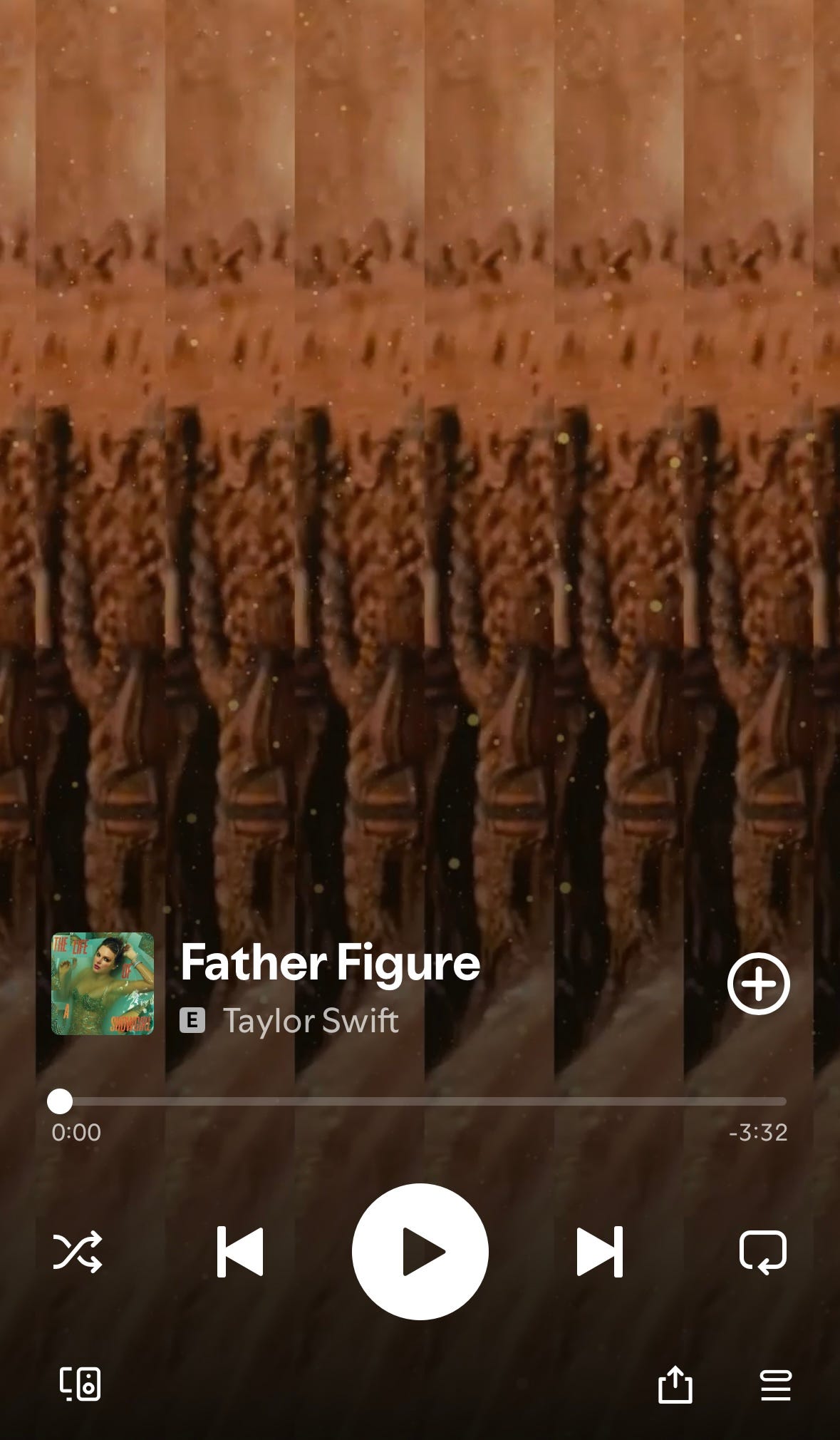
In Taylor Swift’s song, “Father Figure,” she sings the line, “I protect the family,” which, as pop culture icons often do, has influenced a slew of “I protect the family” memes on social media platforms that are meant to be funny with, perhaps, a small hint of truth laced within them.
I jumped on the “I protect the family” bandwagon this week when I posted a series of “I’m protecting the family” statements and images on Instagram.
I’m protecting the family, she says to herself as she tells her kids yet another story about women in the Bible.
I’m protecting the family, she says to herself as she corrects anyone who refers to God as ‘He.’
I’m protecting the family, she says to herself as she insists she and her family only attend churches with women in the pulpit.
I’m protecting the family, she says to herself as she hits play on ‘feminist playlist’ on the car ride home from school.
I’m protecting the family, she says to herself as she shows her kids pictures of ancient women leading worship.
I’m protecting the family, she says to herself as she lights candles and prays to Mary before family dinner.
True confession: When I wrote these statements I didn’t know where or with whom the trend originated. I’ve barely listened to Taylor’s newest album, on which the song “Father Figure” lives, and I’m a Taylor Swift agnostic, at best, the phrase originating with my friend Chelsea Kim Long.
So, one could easily conclude that I was trying out a trendy post to draw attention to my book. Which I was.
And, I do think I’m protecting the family when I tell the kids about Huldah and refer to Rahab as a sex worker (not a whore) and pray to Mary and refuse to call God ‘He.’
At the very least, I believe I’m enlightening and enlarging their imaginations…or inviting them to do so.

After all, I write the essence of this very truth–that we “protect” the family when we share stories about women and God–in the Epilogue of In the Beginning Were the Women.
“In the end,” I write, “the work of justice, mercy, and love gets done because someone whispers in their child’s ear the story of women and God, and they continue whispering the truth until it sinks into their bones like it did into mine. They pray the prayers and sing the songs and name the women out loud. They tell the stories. They tell them over again.”
Don’t buy into the lie that our woman-ing* work is not in and of itself a protest to the systems that push us out or try to eliminate us altogether. Don’t think for a second that when we feed people, tell stories about our grandmothers, listen to someone share their concerns, attend churches with women justice-seeking pastors in the pulpit, host dance parties in the kitchen to the tune of “Bad Girls” by M.I.A. that we’re not contributing to the arc of the universe that bends toward justice. Because we are.
Part of the manipulative nature of patriarchy is its attempt to convince us that our work in the world is small and does not matter.
Resist the lies, dear hearts. Trust and know that when we tell our children of the power, leadership, and love of women, both within our faith and everywhere, we not only protect them, we enact and embody the very justice, mercy, and humility that God requires of us.
Our woman-ing* work is revolutionary, so woman on*, beloveds. Woman on*.
*Gentle reminder—to woman is to live in such a way that uproots and uplifts the untold, incomplete stories of our lives and places, at the very center, the voices and names of those whom society, culture, and systems have relegated to the sidelines, or tried to erase altogether. (definition found in the Introduction to In the Beginning Were the Women: Matriarchs, Mystics, Wise Women, and Warriors in the Hebrew Bible.)
***

Thank you for reading my Substack. This post is public so feel free to share it.
Thank you for this today, Claire! Wouldn’t hate a link to your “feminist playlist”!! ✨
AMEN!